
The allure of gambling: Understanding human motivation
The psychology of casino gambling is deeply intertwined with human motivation. At the core, gambling appeals to various psychological needs, including the desire for excitement, social interaction, and the thrill of risk. This complex interplay drives many individuals to engage in gambling activities, often beyond mere financial considerations, with some even seeking out a fast withdrawal casino uk real money option to enjoy their winnings quickly. The prospect of winning can trigger a rush of adrenaline that not only enhances the experience but also reinforces the behavior, making it hard to resist returning to the tables.
Moreover, the uncertainty associated with gambling plays a significant role in maintaining interest. Humans are naturally drawn to unpredictable outcomes; this unpredictability taps into our innate curiosity. The anticipation of a win acts as a dopamine release, similar to the feelings experienced from other pleasurable activities. This biochemical response creates a feedback loop, where the excitement of potential rewards encourages further participation, often leading individuals to gamble more than they initially planned.
Additionally, the social aspects of gambling cannot be overlooked. Casinos are designed with communal environments that foster interaction among players. The shared experiences, whether it be celebrating wins or commiserating losses, create a sense of belonging. This social dynamic enhances the overall gambling experience, drawing individuals in and making it more difficult for them to walk away. The combination of social engagement and the allure of rewards creates a potent mix that is difficult to resist.
The role of cognitive biases in gambling behavior
Cognitive biases significantly influence gambling behavior, causing individuals to develop misconceptions about their likelihood of winning. One of the most common biases is the illusion of control, where individuals believe they can influence outcomes despite the inherent randomness of games. This false sense of agency leads players to engage more deeply with the game, often investing more time and money than rational thought would suggest. Recognizing this bias is essential in understanding why people continue to gamble even after repeated losses.
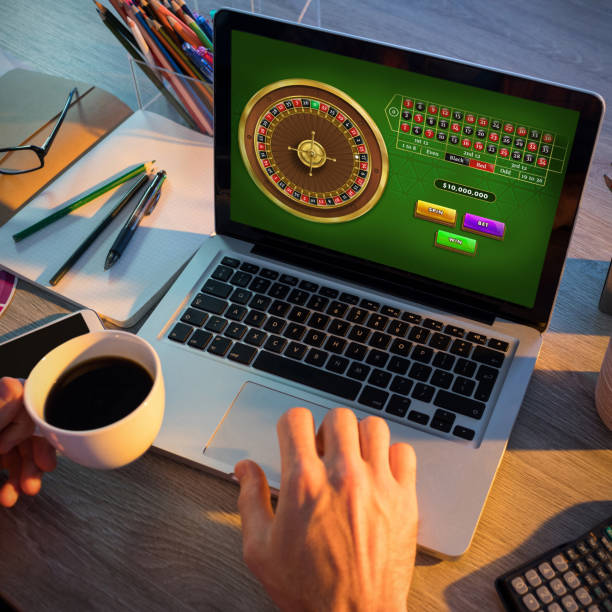
Another prominent bias is the gambler’s fallacy, where individuals mistakenly believe that future probabilities are altered by past events. For instance, if a roulette wheel has landed on red several times in a row, a player may incorrectly assume that black is « due » to occur. This fallacy can lead to increased betting and a misguided belief in the ability to predict outcomes, resulting in significant financial loss. These cognitive distortions make it crucial for players to remain aware of their thought processes while gambling.
Confirmation bias also plays a role, as individuals tend to focus on outcomes that support their belief systems while ignoring evidence to the contrary. For example, a player may remember only their wins and overlook the larger number of losses, reinforcing the idea that they are skilled at gambling. This selective memory can lead to continued play and substantial financial implications, as the individual remains convinced of their luck or skill, unaware of the negative patterns in their gambling behavior.
The impact of environment and design on gambling behavior
The environment of a casino is meticulously crafted to enhance gambling behavior, utilizing psychological principles to keep players engaged. Factors such as lighting, sound, and layout play a significant role in creating an immersive experience. Bright lights and exciting sounds stimulate the senses, creating an atmosphere of excitement that encourages longer play. Moreover, the physical layout is designed to create a sense of disorientation, making it easier for players to lose track of time and money spent.
Additionally, the absence of clocks and windows in many casinos contributes to a distortion of time perception. Players can easily lose hours in the environment, often unaware of how much time has passed. This strategic design encourages continued gambling, as players become engrossed in the thrill of the game, prioritizing immediate rewards over long-term consequences. The physical space of a casino is carefully orchestrated to keep players engaged and reduce their awareness of potential losses.
Furthermore, the presence of complimentary drinks and rewards programs can further compel individuals to gamble. Casinos often use these incentives to create a sense of loyalty among players, associating their experiences with positive reinforcement. This can lead to longer gambling sessions, as individuals may feel compelled to continue playing to earn rewards or simply because they are enjoying the perks offered. Overall, the thoughtful design of casino environments significantly amplifies the psychological aspects of gambling, leading to increased participation.
Signs of problematic gambling: Recognizing the red flags
Identifying problematic gambling behavior is essential for both individuals and their loved ones. There are several signs that may indicate a gambling problem, including the inability to control the urge to gamble, lying about gambling habits, or experiencing financial difficulties due to gambling. Often, individuals may feel shame or denial about their behavior, making it difficult for them to seek help. Awareness of these signs is crucial for early intervention and support.
Emotional aspects also play a role in recognizing problematic gambling. Individuals may experience mood swings or increased irritability when unable to gamble or following a significant loss. This emotional distress can lead to more frequent gambling as they seek relief or redemption. Understanding the emotional intricacies involved can help individuals and their support networks address gambling issues more effectively, opening the door to seeking professional assistance.
Lastly, the impact of gambling on relationships is a significant red flag. Individuals may find that their gambling habits strain personal relationships, leading to conflicts with family and friends. This deterioration in social connections can further exacerbate feelings of isolation and shame, creating a vicious cycle. Encouraging open communication and support can be vital in addressing these issues, promoting healthier gambling habits and reminding individuals of the importance of balance in their lives.
Exploring more on gambling psychology
For those interested in further exploring the psychology behind casino gambling, a wealth of resources is available. Various studies delve into the cognitive and emotional factors that influence gambling behavior, providing insights into why many find it irresistible. Academic research, articles, and expert opinions contribute to a deeper understanding of this topic. Engaging with such resources can help individuals become more informed about their gambling habits and the potential psychological impacts.
Additionally, many support organizations provide information on responsible gambling practices and awareness of gaming addiction. These organizations can offer valuable guidance for individuals seeking to understand their behavior and learn how to gamble responsibly. By promoting healthy gambling habits, they aim to reduce the social and personal costs associated with problematic gambling.
In conclusion, the psychology behind casino gambling is complex and multifaceted. Understanding the various motivations, cognitive biases, environmental influences, and emotional impacts can empower individuals to make more informed decisions about their gambling habits. By exploring these aspects, individuals can cultivate a healthier relationship with gambling, enhancing the enjoyment of the experience while mitigating potential risks.


 Créateur de site internet indépendant